
Non-alcoholic Spirits

Non-alcoholic spirits are made to do the job of gin, rum, whisky or tequila in a glass, without the alcohol. Most are made by distilling or steeping botanicals such as juniper, citrus peel, spices and roots in water rather than alcohol. Names like gin and whisky are legally protected and need a minimum strength, so you’ll see labels like “non-alcoholic alternative to gin” or “botanical spirit” instead. That’s a labelling rule, not a sign the drink is any less good.
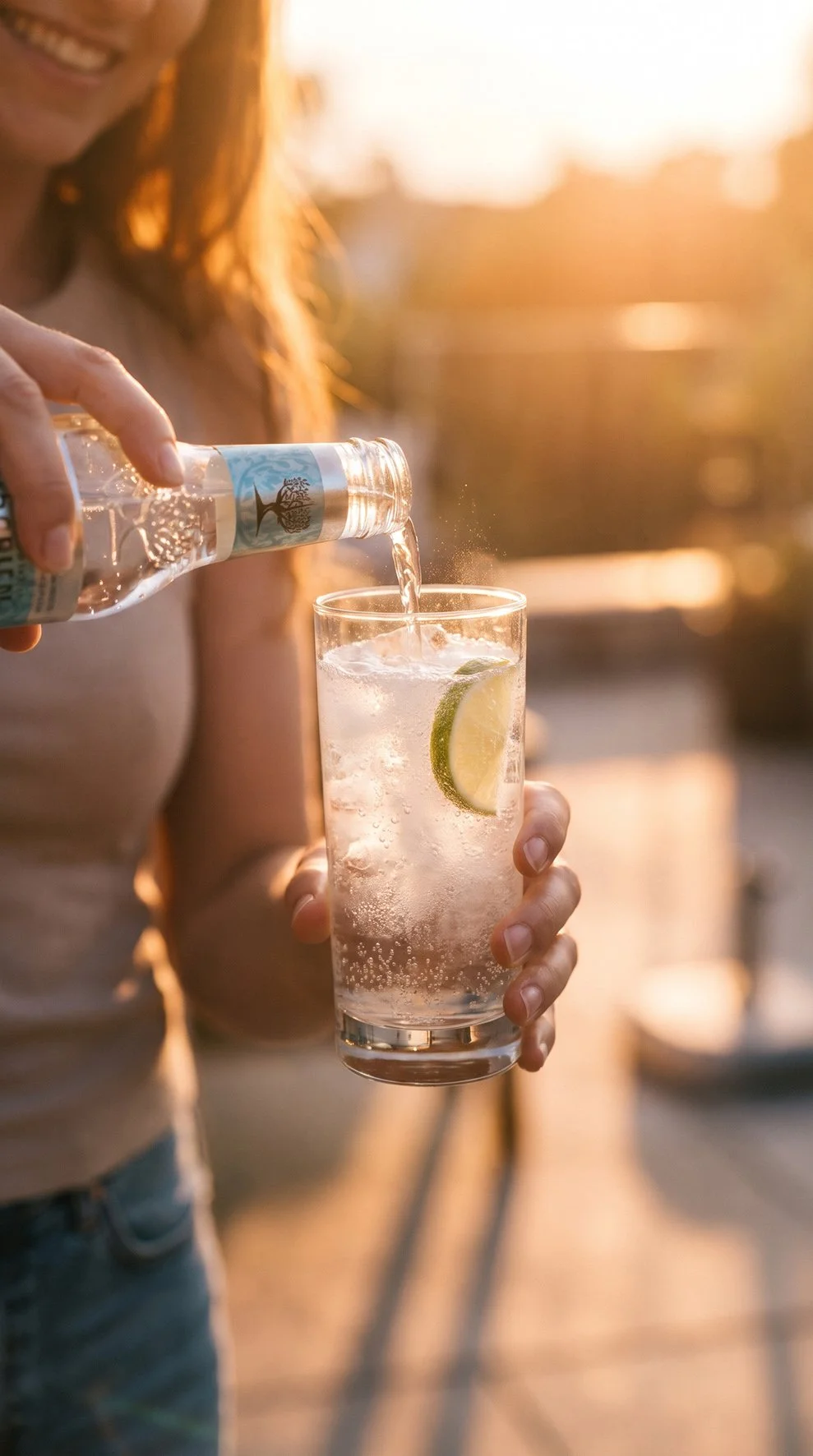
The most common mistake is swapping them in measure for measure. They’re built to be mixed, not sipped, and a single 25 ml pour gets lost in a full tonic. Most makers suggest around 50 ml with less mixer, plenty of ice and a proper garnish, because aroma does much of the work the alcohol would. Once opened, keep the bottle in the fridge and use it within the time on the label, usually a few weeks to a couple of months.
-
It’s a bottled drink built to do the job of gin, whisky or tequila in a glass without the alcohol. Most are made by steeping or distilling botanicals — juniper, citrus peel, spices, herbs, roots — in water rather than in spirit. The result is designed to be mixed and diluted like a spirit, not sipped like a cordial. Think of it as a mixer’s base rather than a drink in its own right.
-
Because those names are legally protected and describe a minimum alcoholic strength. Gin has to be at least 37.5% ABV in the UK to be called gin, so an alcohol-free version legally cannot use the word. That’s why you see phrasings like “non-alcoholic alternative to gin” or “juniper spirit” instead. It’s a labelling rule, not a hint that the product is inferior.
-
Most sit at 0.0% or 0.5%, and the UK descriptors work the same as for beer: alcohol-free means 0.05% or below, de-alcoholised up to 0.5%, low alcohol up to 1.2%. A few products use a tiny amount of alcohol to carry botanical extracts, which can push them towards 0.5%. The number is always on the back label, and it’s more reliable than the wording on the front.
-
It means botanicals were actually put through a still, the same equipment a gin distiller uses, with water or a neutral base rather than alcohol. Other products are made by steeping or by blending extracts, which is cheaper and faster. Neither method is automatically better, but distillation tends to give a cleaner, more layered result, and brands that do it usually say so prominently.
-
You can, but most aren’t designed for it. These products are built to be diluted — the botanicals are concentrated for a drink that’s mostly tonic or soda, so neat they can taste intense, bitter or oddly thin. A few darker, whisky-style products are made for sipping over ice and will say so. Otherwise, mix first and judge after.
-
This is the most common complaint, and the answer is in the production. No duty is payable, which helps, but the botanicals cost the same, the distillation runs the same, and the volumes are far smaller than a major gin brand’s. Some makers also use more raw material to compensate for the alcohol doing none of the flavour-carrying work. Prices are coming down as the category grows, but slowly.
-
No, not from alcohol. Some products add adaptogens, nootropics or botanicals like ashwagandha and claim a mood effect, and the evidence for those claims is thin and contested. The thing most people actually feel is the ritual — a proper glass, ice, a garnish, something to hold. That’s real and it’s worth having, but it isn’t a chemical effect.
-
Below 0.5% ABV the law doesn’t treat it as alcohol, so yes on both counts. As with alcohol-free beer, some retailers apply their own age policy at the till, and some employers set zero-tolerance rules that go beyond the law. Worth checking if you drive professionally.
-
Usually the ratio. A standard gin measure is 25ml at 40% ABV, and pouring 25ml of a non-alcoholic spirit into a full-sized tonic leaves it swamped. Most makers recommend a more generous pour — often 50ml — and less mixer. The other common culprit is a tonic that’s too sweet or too aggressive, which buries a subtler base.
-
Not like traditional spirits. Alcohol is a preservative, so an opened bottle of non-alcoholic spirit behaves more like a cordial or a vermouth than a spirit. Most makers advise refrigerating after opening and finishing it within a few weeks to a couple of months. Check the label — guidance varies a lot — and don’t leave it on a sunny shelf for a year the way you might a gin.
-
Treat it exactly as you’d treat the alcoholic version, only more so. A big glass, plenty of ice, a generous measure, a good mixer and a proper garnish. The garnish matters more here than it does with gin, because aroma is doing work that alcohol would otherwise do. A squeezed citrus peel over the top changes the drink noticeably.
-
A quality tonic, soda or ginger ale will flatter a good product; a cheap, heavily sweetened one will flatten it. Because these bases are often more delicate than gin, the mixer has a bigger say in the final drink than you might expect. Try the same bottle with soda and with tonic — people are often surprised by how different the two are.
-
Usually lower than the alcoholic equivalent, since alcohol itself is calorie-dense, and many are close to zero. But some carry added sugar or glycerine to build body, and aperitif styles in particular can be sweeter. As with everything, the label settles it. The mixer you choose will often contribute more sugar than the spirit does.
-
Yes, with adjustments. Alcohol adds body, bitterness and a certain bite, so a straight swap can taste flat or over-sweet. The usual fixes are a slightly larger measure, a little more acid such as lemon or lime, and sometimes a dash of salt or bitters to add depth. Most brands publish their own recipes, and those are a better starting point than converting a classic yourself.
-
This one belongs with your midwife or GP rather than with us. The factual position is that 0.0% means 0.05% ABV or less and de-alcoholised means up to 0.5%, so neither is entirely free of trace alcohol. Some products also contain botanicals and herbal extracts that are worth mentioning in that conversation. Take the bottle or the ingredients list along.
-
People differ, and we won’t pretend there’s one answer. Non-alcoholic spirits sit closer to the ritual of drinking than a beer does — the bottle, the measure, the cocktail — which some people find genuinely helpful and others find uncomfortably close to the thing they left behind. If you’re working with a support group or a professional, it’s worth raising with them. If it doesn’t feel right, that’s reason enough not to.
-
It depends on the product and on the view you follow. Some non-alcoholic spirits carry halal certification; others use small amounts of alcohol as a carrier for botanical extracts, which may not be acceptable. Certification on the pack is a more reliable guide than the ABV figure alone, and your own religious authority is better placed to advise than we are.