
Tools of the trade
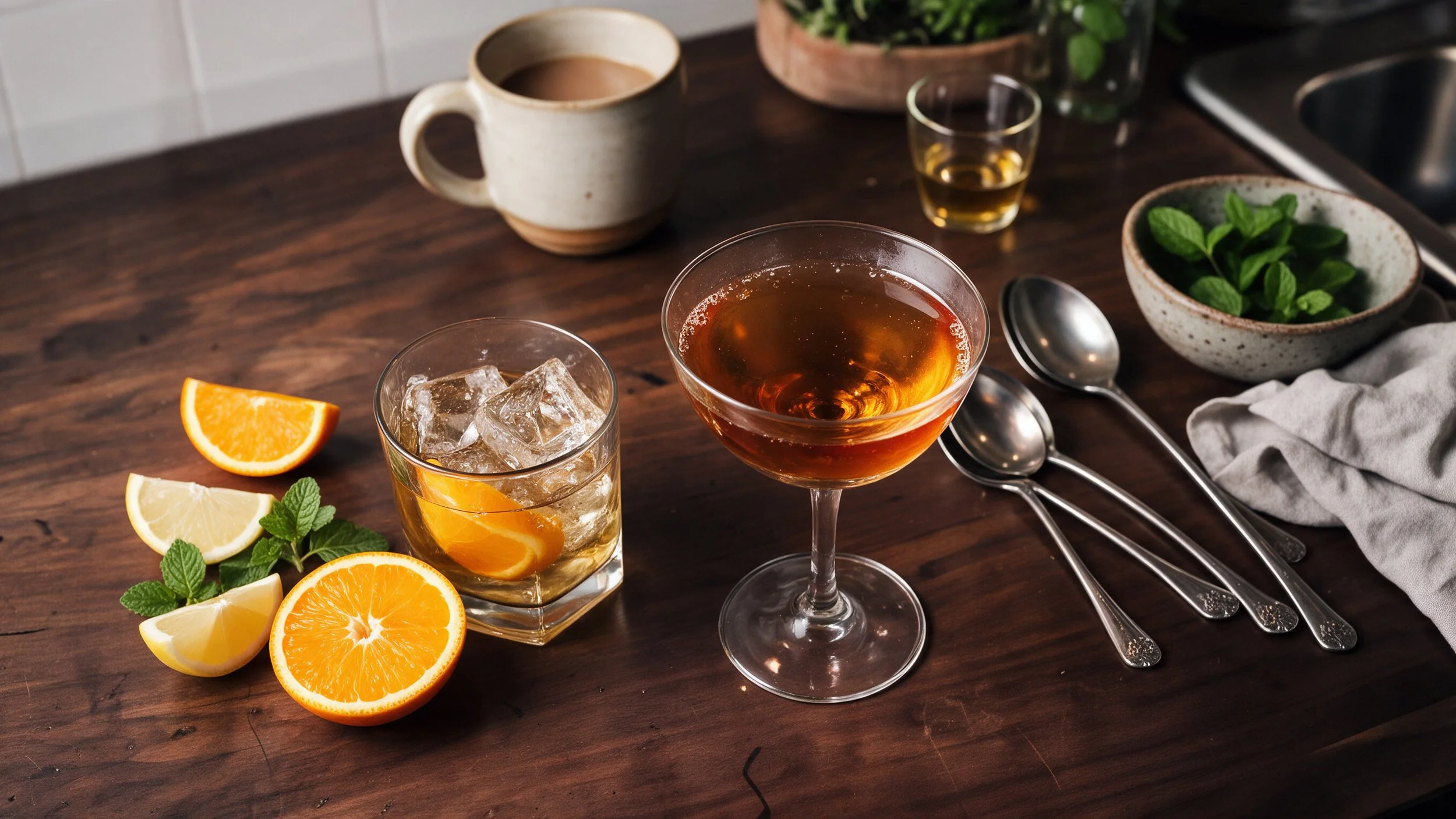
No need to rush out and buy a bar kit. Almost everything here has a make-do stand-in already in your kitchen: a jam jar shakes just as well as a cocktail tin, and a tea strainer does the job of a fine strainer. If you only buy one thing, make it a citrus juicer, because fresh juice makes the biggest difference to any drink. When you’re ready to kit yourself out properly, these are the six tools that cover almost every classic, and what each one does.
| Tool | What it's for | Make-do alternative |
|---|---|---|
| Shaker | Mixing and chilling drinks with juice, cream or egg. A cobbler (three pieces, built-in strainer) is easiest; a Boston (two tins) is what pros use. | Jam jar with a tight lid |
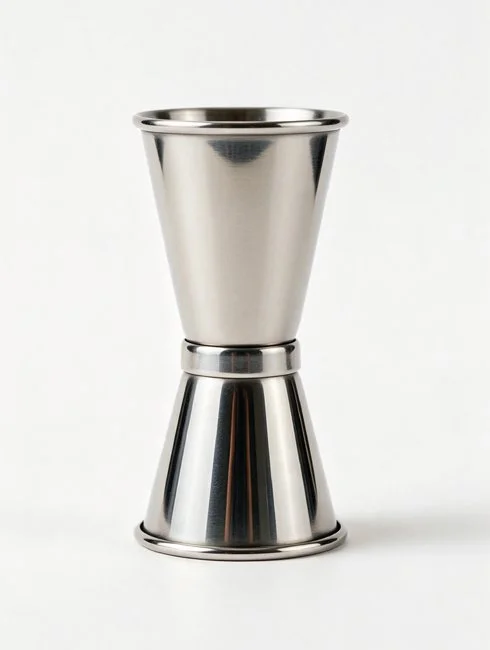
| Jigger | Measuring. In the UK a 25/50 ml double-sided one is standard. | Measuring spoons (1 tbsp ≈ 15 ml) |
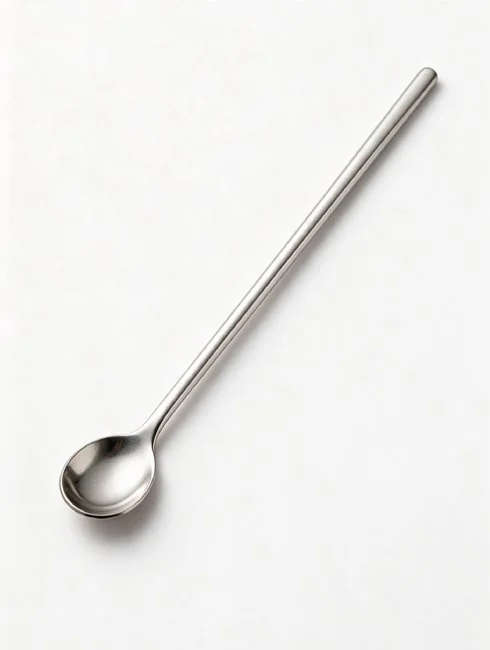
| Bar spoon | A long spoon for stirring drinks and pouring layers. | Chopstick |
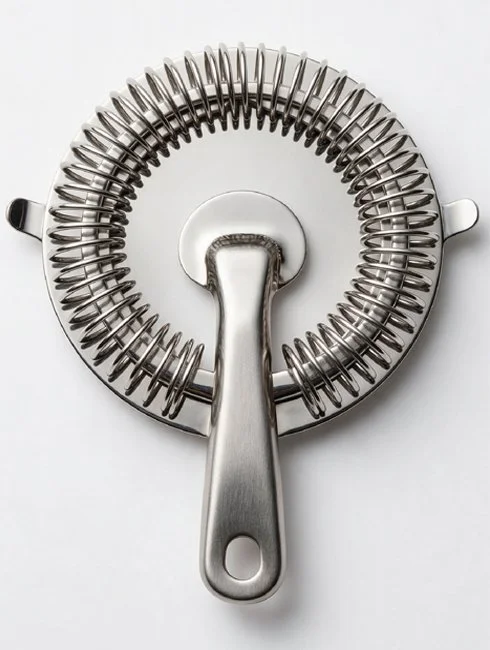
| Hawthorne strainer | The strainer with a spring that fits over a shaker tin. | The lid of a cobbler shaker |
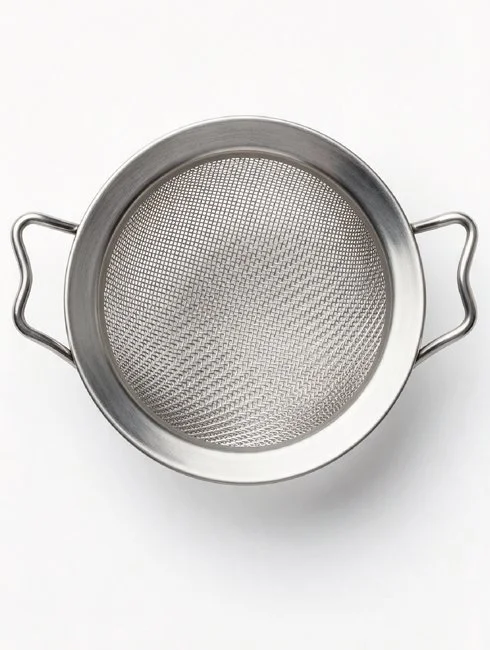
| Fine strainer | A small mesh sieve that catches ice chips and pulp. | Tea strainer |
| Citrus juicer | Fresh juice — the single biggest upgrade to any drink. | Squeeze by hand through a sieve |
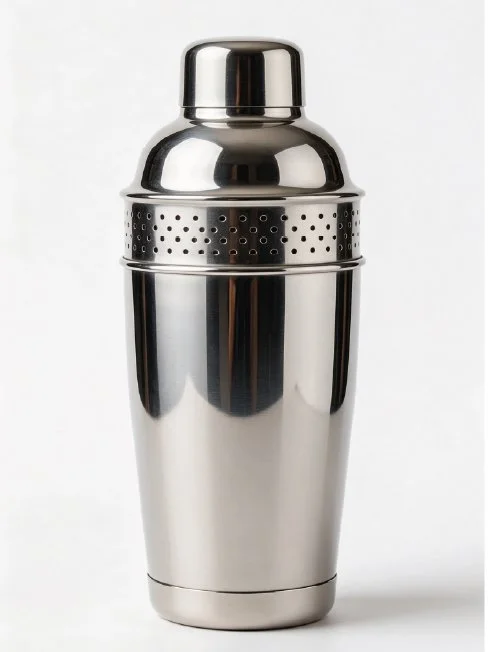
Cocktail Shaker
Hawthorne strainer
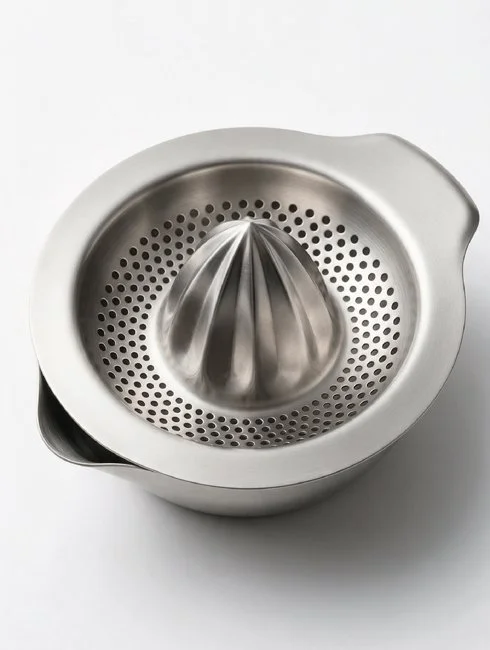
Citrus juicer
Bar spoon
Fine strainer
Jigger
Nice to have next: a mixing glass for stirred drinks, a muddler for crushing fruit and herbs, a Y-peeler for citrus twists, large ice-cube moulds, and a Lewis bag with a mallet for crushed ice.
Glassware
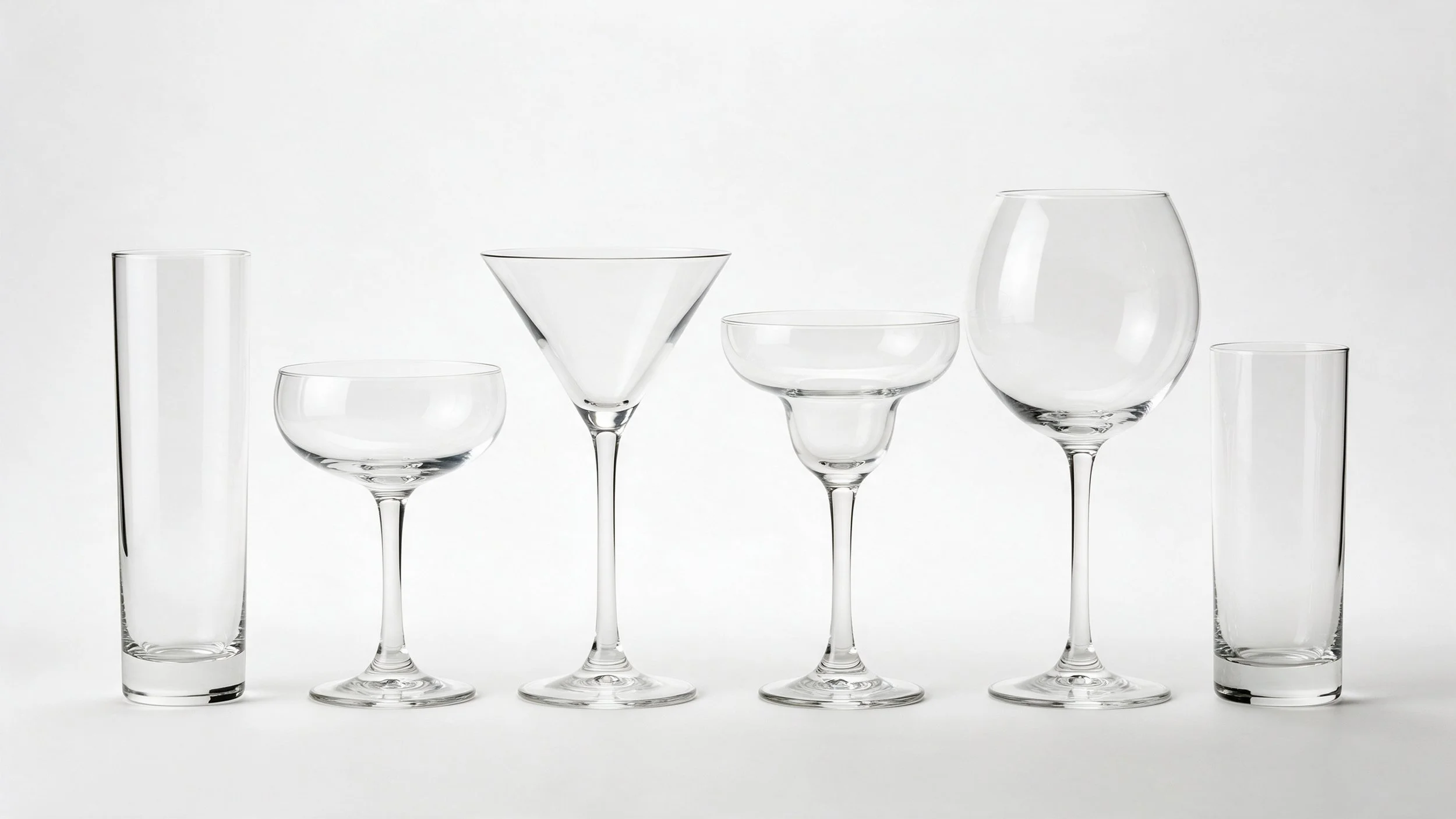
Honestly, don’t let glassware hold you back. A well-made drink tastes just as good in a tumbler or a jam jar, so start with whatever’s in your cupboard. Chilling the glass first makes more difference than its shape. But if you catch the bug and fancy going the whole nine yards, here’s the full line-up and what each one is for.
| Glass | Use it for |
|---|---|
| Rocks | Short drinks over ice |
| Highball | Long drinks topped with soda or tonic |
| Coupe or Nick & Nora | Drinks served “up”, with no ice |
| Martini | Drinks served up in a V-shaped bowl, like a zero-alcohol Martini or Cosmopolitan |
| Collins | Tall fizzy drinks like a zero-alcohol Tom Collins or Mojito; taller and narrower than a highball |
| Flute | Sparkling serves topped with alcohol-free fizz |
| Wine glass | Spritzes made with a zero-alcohol aperitif |
| Copper mug | Zero-alcohol mules with ginger beer and lime |
| Margarita | Zero-alcohol Margaritas and frozen drinks |
| Hurricane | Tall tropical drinks like a zero-alcohol Piña Colada |
| Tiki mug | Zero-alcohol tiki drinks, usually over crushed ice |
Techniques
Build. Pour straight into the glass over ice and top up, as with a zero-alcohol G&T or other highball. It's the easiest and most forgiving method: since you never shake or stir, the drink isn't over-diluted, so a loose pour or a few seconds' delay won't spoil it.
Shake. For anything with citrus, juice, cream, egg or thick syrups. Fill the shaker two-thirds with ice and shake hard for 8–10 seconds, until the tin is cold, then strain. Keep it short; zero-alcohol spirits turn watery fast.
Stir. Use this method for drinks without juice, cream or egg, like a non-alcoholic Martini, Negroni or Old Fashioned. Fill a mixing glass with plenty of ice, add the ingredients and stir for 10–15 seconds, just until cold. Strain into a chilled glass or over fresh ice. This keeps the drink clear and smooth, with no bubbles.
Double strain. Pour through the Hawthorne and the fine strainer together, since ice shards melt fast and water down a zero-alcohol drink, so it's worth doing every time.
Muddle. Press fruit or herbs gently to release their flavour. Fresh ingredients add the depth zero-alcohol spirits can lack. Press mint rather than grinding it: pulverised mint turns bitter.
Dry shake. When a drink calls for egg white or aquafaba, shake it first without ice so the foam can build, then shake it again with ice to chill it. The foam gives a zero-alcohol drink extra body and a silky texture.
Float or layer. Pour slowly over the back of a bar spoon so the liquid sits on top. Zero-alcohol spirits weigh about the same as water, so layers depend on sugar: pour the sweetest ingredient first, the least sweet last.
Express a twist. Hold a strip of citrus peel skin-side down over the drink and squeeze to spray the oils across the surface, then rub it on the rim. Aroma does much of the work in a zero-alcohol drink, so this scent burst matters.
Habits that matter
Measure everything. Use the bottle's suggested serve, often 50 ml.
Use lots of big, fresh ice. It chills fast and melts slowly, so the drink doesn't go watery.
Chill the glass first. Ice water or the freezer keeps the drink cold without extra dilution.
Make simple syrup. Equal parts sugar and hot water; it keeps a month in the fridge. Use two parts sugar for more body.
Learn the sour formula. 50 ml spirit, 25 ml fresh citrus and 20–25 ml syrup, shaken.
Taste before you pour. Adjust with citrus, syrup or a drop of saline.